Mkhwanazi Details Fallout With Lt Gen Shadrack Sibiya Following The AKA Murder Probe
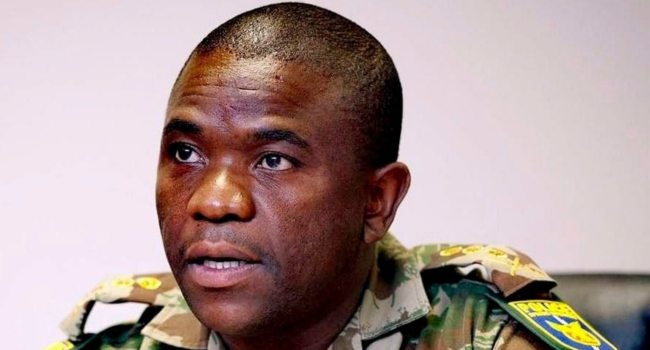
Mkhwanazi Details Fallout With Lt Gen Shadrack Sibiya Following The AKA Murder Probe. KwaZulu-Natal police commissioner Lieutenant General Nhlanhla Mkhwanazi’s appearance before Parliament’s Ad Hoc Committee has pulled the investigation into the murder of Kiernan “AKA” Forbes back into sharp focus.

The hearing became a revealing look at internal tensions within the South African Police Service, with Mkhwanazi recounting how he was summoned by Police Minister Bheki Cele to address alleged friction with Lieutenant General Shadrack Sibiya and to explain the dynamics surrounding the high-profile case.
Mkhwanazi told the committee that his first question to the minister was simple: “Why did you call me?” He said Cele then explained his reasons, suggesting there were perceived issues between Mkhwanazi and Sibiya. Mkhwanazi described pushing back, asking what exactly was wrong between him and the head of detectives. He went on to say that he had shown there was no breakdown by pointing out that Sibiya had been with him in Durban on 27 January.
According to Mkhwanazi, he took Sibiya out on a boat along with other guests he was hosting while they were visiting KwaZulu-Natal. He added that there was a period when he was not speaking to Sibiya and that he had blocked Sibiya’s number after the AKA incident before later unblocking it and resuming contact. “I agree that I blocked him at one stage after the AKA incident. I do not want to get into that,” he said.
Those remarks landed in a charged atmosphere created by Sibiya’s own public statements. Speaking passionately months ago, Sibiya claimed that he was the one who drove the operation that led to arrests in the Forbes case.
“I am the one who was pushing for the arrest of the AKA murderers. He (Mkhwanazi) did not want to arrest. I am the one who arrested, who pushed for the arrest of AKA’s murderers,” Sibiya said. His comments, widely circulated, have intensified questions about who truly led the operational push and how the chain of command functioned during critical phases of the investigation.
At the heart of the exchange is a matter of public confidence. The killing of AKA in Durban shocked the country and drew global attention, and fans and the Forbes family closely watch every new development around the case. Parliament’s scrutiny is not about proving guilt or innocence. It is about the governance of major investigations, the allocation of authority, and whether leadership disputes ever threatened to distract from the mission to gather evidence, track suspects, and build a case robust enough to withstand courtroom scrutiny.