Shabz Madallion Questions Whether SA Hip Hop Values Female Rappers For Their Music or Appearance

Shabz Madallion Questions Whether SA Hip Hop Values Female Rappers For Their Music or Appearance. South African hip-hop’s relationship with its female artists has come under the spotlight after DJ Speedsta and Shabz Madallion sparked an interesting conversation about whether the culture genuinely supports women in rap or simply celebrates their presence.
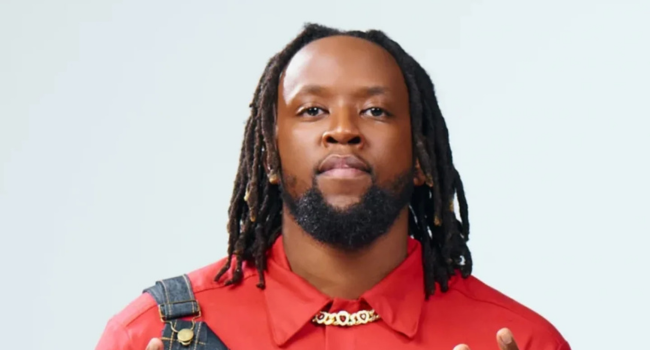
The discussion unfolded during an episode of 5 Hip Hop Nights on 5FM, where the two presenters questioned why female rappers continue to receive limited attention in conversations about the local hip-hop scene, despite consistently contributing music and projects to the culture.
Shabz Madallion opened the conversation by pointing to artists such as Buzzi Lee, Nadia Nakai, Moozlie, Gigi Lamayne, K.Keed and Rouge, among others, questioning whether the industry and its listeners are giving these women the recognition their work deserves.
“Where are the female rappers in South African hip hop? But we’ve got artists like Buzzi Lee, Nadia, Moozlie, Gigi, K.Keed, Rouge, you know, and others who’ve contributed to the culture in different ways. Does SA hip hop really support female rappers or just the idea of them?” Shabz asked.
Responding to the question, Speedsta offered a personal observation about music consumption, explaining that he had rarely heard his partner request music from female rappers, with her references in hip-hop more often leaning towards male artists.
“I’ve never heard my woman say, ‘Hey babe, please play me a female rapper song.’ She’s always referencing the men in hip hop,” he shared.
Shabz then challenged the conversation around female rap, questioning whether people were overlooking the music these artists are actually putting out. He argued that discussions often make it seem as though female rappers are not actively releasing music or producing quality work.
He also questioned whether the attention women receive within hip-hop is genuinely directed at their artistry or whether it is largely influenced by their physical appearance and presentation.
The distinction became particularly interesting when Speedsta suggested that men might actually consume more music from female rappers than women do.
“I think more men listen to the females than the females do,” he said.
Shabz, however, questioned what that consumption really looks like, asking whether men are listening to the music or simply paying attention to the women themselves.
He suggested that conversations involving female rappers often place greater emphasis on their looks, fashion choices and overall image than on what they deliver musically.
“I’m not sure if I’m seeing men in hip hop speak on women in hip hop and their music. If we speak on them, we speak on them as a whole. Or their appearance,” he explained.
“I think our focus is how they look, how they dress, the package of what they bring to the table in hip hop. I’m not sure if what’s been packaged inside is what we focus on.”
Speedsta maintained his earlier observation, although he was careful to acknowledge that it was based on what he had noticed rather than any concrete audience research.
“I still think more men consume the female’s music. More than women do. I could be wrong. It’s an observation. It’s an observation. Don’t quote me on this,” he clarified.
Beyond the question of who listens to female rappers, Shabz ultimately shifted the conversation towards accountability, asking who should take responsibility for changing the narrative around women in South African hip-hop.
He questioned whether DJs, radio stations, playlist curators, festival organisers and hip-hop media are doing enough to discover, play and spotlight female rappers. More importantly, he challenged these industry players to consider whether they are supporting the women with the same enthusiasm and consistency expected when male artists release new music.
The conversation brings attention to an important distinction between celebrating female representation and genuinely supporting female artistry. While artists such as Buzzi Lee, Nadia Nakai, Moozlie, Gigi Lamayne, K.Keed and Rouge have each made their mark on the culture, recognition should extend beyond their appearance, public image or presence in industry conversations.
Ultimately, the question raised by the two presenters is worth considering: if female rappers are releasing quality music and contributing to the culture, are listeners and the industry doing enough to give that music the attention it deserves? Or has South African hip-hop become more comfortable celebrating the idea of female rappers than actively supporting their artistry?