Toya Delazy Slams Shocking £250 Deal Demanding 15 Years Of Her Music Rights
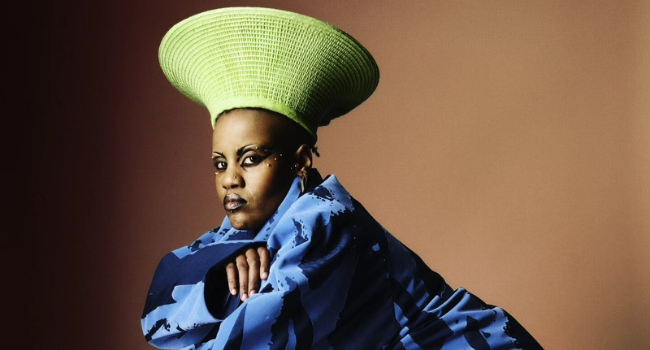
Toya Delazy Slams Shocking £250 Deal Demanding 15 Years Of Her Music Rights. Toya Delazy has aimed at what she describes as exploitative practices within the music industry, questioning why independent artists are still being presented with deals that offer little financial reward while demanding significant control over their creative work.

In a lengthy statement, the London-based artist revealed that she had recently received an offer that would have required her to hand over 15 years of rights to her intellectual property and an entire album, alongside first refusal on her next project if the first performed well. The proposed compensation? Just £250.
“Two hundred and fifty pounds. For an entire album. And the future of a movement,” she wrote, expressing disbelief at the terms.
Toya Delazy was particularly critical of the fact that such offers are still being made in 2026, describing the practice as something that should bring public embarrassment to those responsible. She argued that the industry needs to take a serious look at how it approaches independent artists and the value it places on their work.
A major part of her frustration centres on Afrorave, the genre and creative movement she has spent years developing. According to Toya Delazy, Afrorave is far beyond an experimental sound waiting for industry validation. It is an established creative identity with its own cultural language, artistic direction and growing international audience.
The artist has also spoken about protecting the genre from appropriation attempts involving major artists, including Rema, while continuing to build its presence through music and live performances.
“It is a powerful tool of self-reclamation, cultural preservation and artistic expression,” she explained. “The music is world-class, the gigs are shutting down, and the audience is growing. The movement exists. The infrastructure just hasn’t caught up with the vision.”
Delazy believes the disconnect lies between people who understand the cultural significance and potential of what she is building and those with financial resources who struggle to recognise its value. She criticised the tendency to approach independent creators with offers that seek to acquire years of intellectual property and the future of an entire movement for relatively insignificant amounts.
However, she was quick to clarify that her position is not rooted in an expectation of free money or unrealistic investment. She understands the commercial realities of the music business, including recoupment, risk, investment and exploitation. What she expects, she explained, is a business proposition that properly reflects the value of her work and the long-term ambition behind Afrorave.
Her position is also deeply connected to her cultural heritage and personal history. As a Zulu woman and descendant of a lineage that includes pioneering indigenous composer Princess Magogo and the late Mangosuthu Buthelezi, Delazy believes music, culture, memory and creative ownership carry significance beyond commercial transactions.
Having invested years of her life, resources and creativity into Afrorave, she made it clear that she would rather walk away from industry deals altogether than surrender what she has built for an offer she considers insulting.
“I’ve already left behind an industry that I felt was built on the exploitation and gatekeeping of African artists,” she stated. “I’m not going to recreate those conditions elsewhere simply because the paperwork has a different letterhead.”
Her message to industry executives and potential investors was equally firm. Independent artists, she argued, should not be treated as desperate businesses waiting for someone to acquire them cheaply or as creators who should feel grateful for whatever opportunities come their way.
“We are not desperate inventory. We are not cheap acquisitions. We are not grateful recipients of whatever crumbs happen to fall from your table,” she wrote.
Ultimately, Delazy wants Afrorave to attract people who recognise its potential and are prepared to contribute meaningfully to its growth without attempting to take ownership of something they did not build.
“Afrorave needs partners, not colonisers,” she concluded, calling for investors who are willing to protect the culture, support its infrastructure and share in the possibilities of what the movement can become.
Her latest comments reinforce the independent path she has chosen, even when that decision has come at the cost of certain industry opportunities. Rather than compromise her creative vision for access or financial backing, Delazy appears determined to build Afrorave on terms that respect its origins, ownership and future.